
MR BUS Fleet and Vehicle Options
Choosing transport becomes easier when the vehicle direction matches passenger count, route length, comfort expectation and service purpose. MR BUS helps customers compare cars, passenger vans, minibuses and staff vehicles based on the actual movement, not only on images.
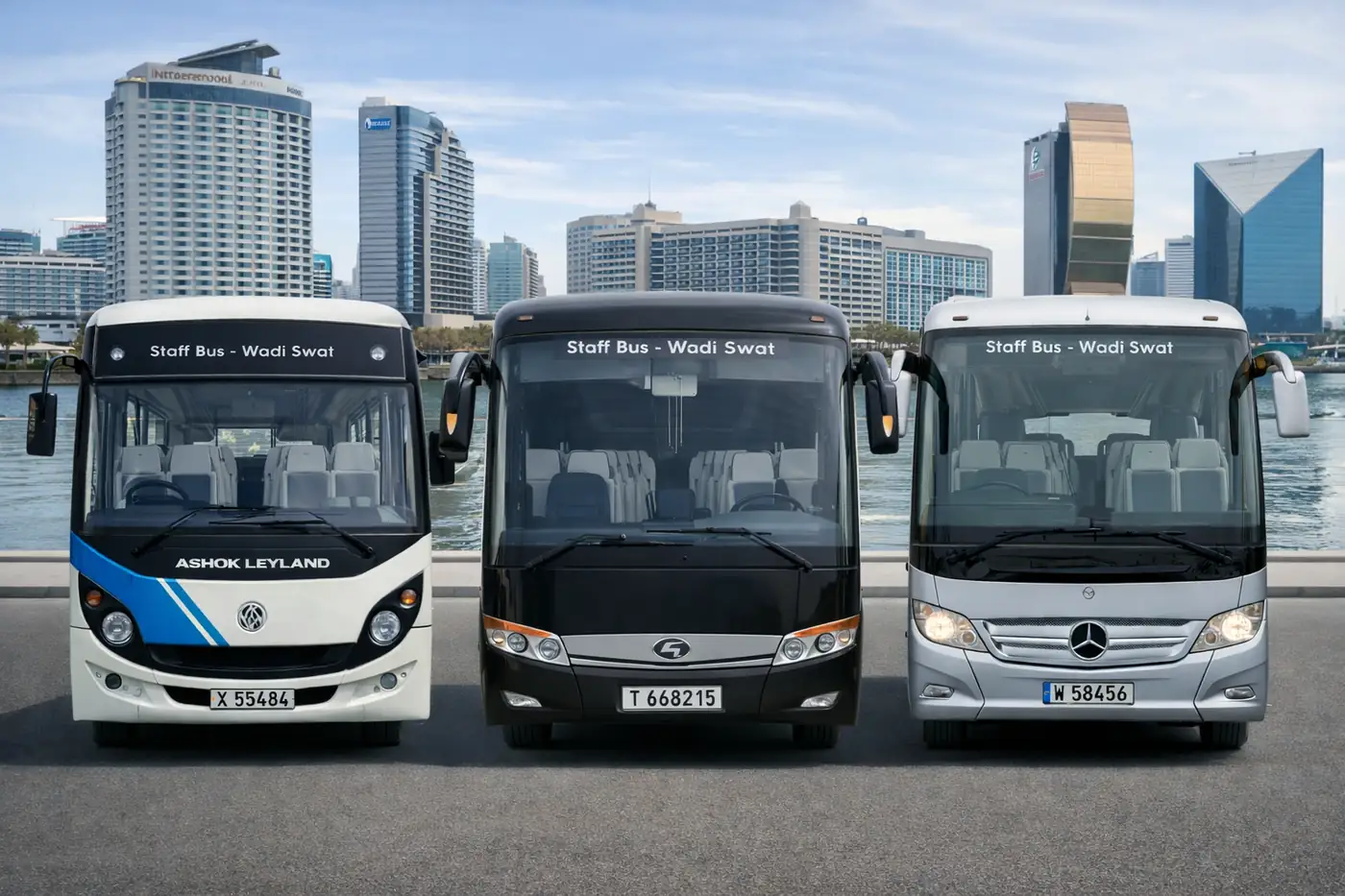
Choose Vehicle Direction by Passenger Count and Route Need
MR BUS fleet guidance starts with the customer's requirement. A single executive commute may need a car with driver, a small team may need a van, and a company route may require a minibus or staff bus. The right vehicle depends on passenger count, luggage, route distance, timing and comfort expectation.
Customers who already know the service type can move to car lift Dubai, monthly pick and drop or staff transport for deeper service context.
Vehicle Categories Customers Commonly Compare
Cars with driver
Best for smaller private movement, executive use and individual route enquiries.
Passenger vans
Useful for families, small groups, daily commute support and flexible pickup/drop movement.
Minibuses
Better for larger passenger groups, staff movement and routes needing more seating capacity.
Staff buses
Used for company movement, shift routes, camp-to-site transport and organized workforce travel.
Vehicle Matching Should Follow Real Route Details
The customer does not need to select the exact vehicle before contacting MR BUS. Passenger count, pickup and drop-off points, timing and service duration are more important than guessing a model name.
The MR BUS gallery can help customers see visual categories, but the quote discussion should still start with route information. For smaller groups, van transport may be the most relevant service path.
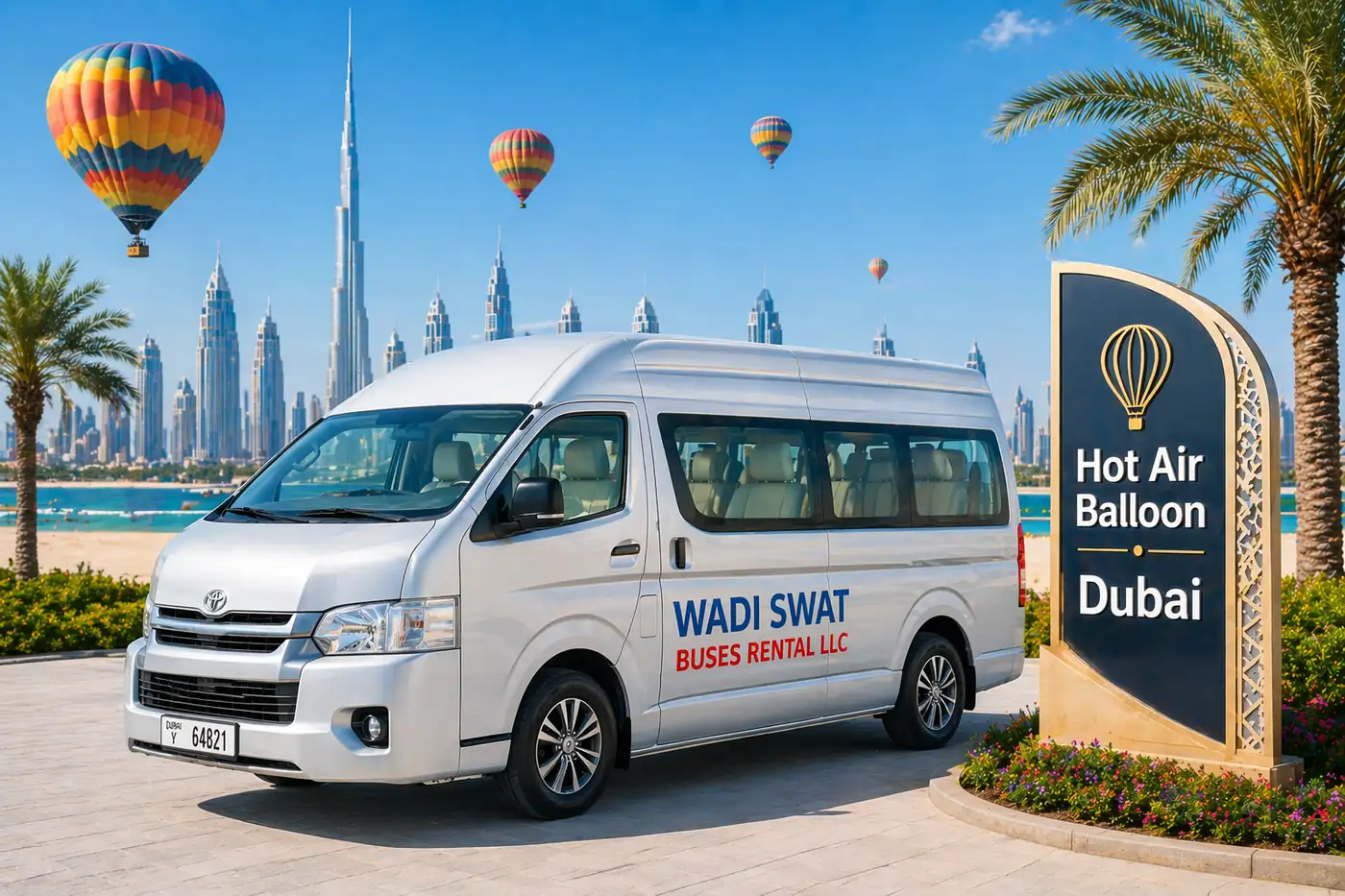
Comfort, Capacity and Availability Expectations
Vehicle direction should be realistic. Availability, route suitability and final vehicle arrangement must be reviewed before confirmation. This avoids overpromising and protects customers from choosing the wrong vehicle based only on a photo. A good enquiry explains passenger count, luggage needs, pickup timing and destination so the team can guide the customer toward a suitable category.
Route Details Come Before Transport Direction
UAE transport is practical before it is promotional. A good answer depends on where the passenger starts, where the trip ends, what time arrival is needed and how many people are travelling. MR BUS keeps that route-first approach across Dubai, Sharjah, Ajman and Abu Dhabi so the customer does not receive a vague answer that later fails in real traffic or shift timing.
Customers can start with a simple WhatsApp message, but the message should include pickup area, drop-off area, timing and passenger count. When the enquiry becomes more detailed, the MR BUS quote request path gives a cleaner way to share route and service details. For customers who want to understand the steps after enquiry, the transport booking process explains how route review, vehicle direction and confirmation normally work.
Dubai, Sharjah, Ajman and Abu Dhabi Market Fit
Dubai and Sharjah commute routes, Ajman-to-Dubai movement, Abu Dhabi staff transport and Business Bay office trips can all look similar from a short message, but each one needs a different review. Pickup clustering, traffic timing, return trips, waiting time and passenger count can change the right vehicle direction and the right service path.
For daily commute enquiries, customers can review car lift Dubai support. For recurring commute movement, monthly pick and drop planning explains why start date, working days and return timing matter. For companies, staff transport route support is usually the better service direction because business routes need staff count, shifts and pickup clusters.
What Customers Should Send Before Enquiry
MR BUS uses WhatsApp as the fastest contact path because transport customers usually need to share locations, timing and updates quickly. Phone numbers are not shown in visible text; the WhatsApp buttons let customers send clear written route details for faster review.
- Pickup area with nearby landmark or building name
- Drop-off area, workplace, school, hotel, site or destination
- Reporting time, return timing and preferred start date
- Passenger count, luggage needs and service duration
- Service type such as car lift, monthly pick and drop, ladies transport, staff route or passenger van
- One-way, two-way, daily, monthly, weekly or one-time requirement
Service Direction Without Confusing the Customer
MR BUS keeps the customer journey simple by guiding each enquiry toward the right next step. A route enquiry should not become confusing because there are several service names. If the movement is a daily office commute, car lift support may be the right direction. If it is recurring pickup and drop, the monthly transport path may be better. If the need is for staff movement, the conversation should become more structured.
This approach helps customers avoid choosing the wrong service name. The team can understand the real route first and then guide the customer to the most suitable service, quote or booking step.
Transport Support That Starts With Real Locations
A customer may say Dubai, Sharjah, Ajman or Abu Dhabi, but a useful transport answer needs more detail. The exact area, landmark, building, site, office, camp or destination can completely change the route plan.
For coverage questions, customers can check MR BUS service areas. For vehicle direction, they can review vehicle options before sending the route and passenger count.
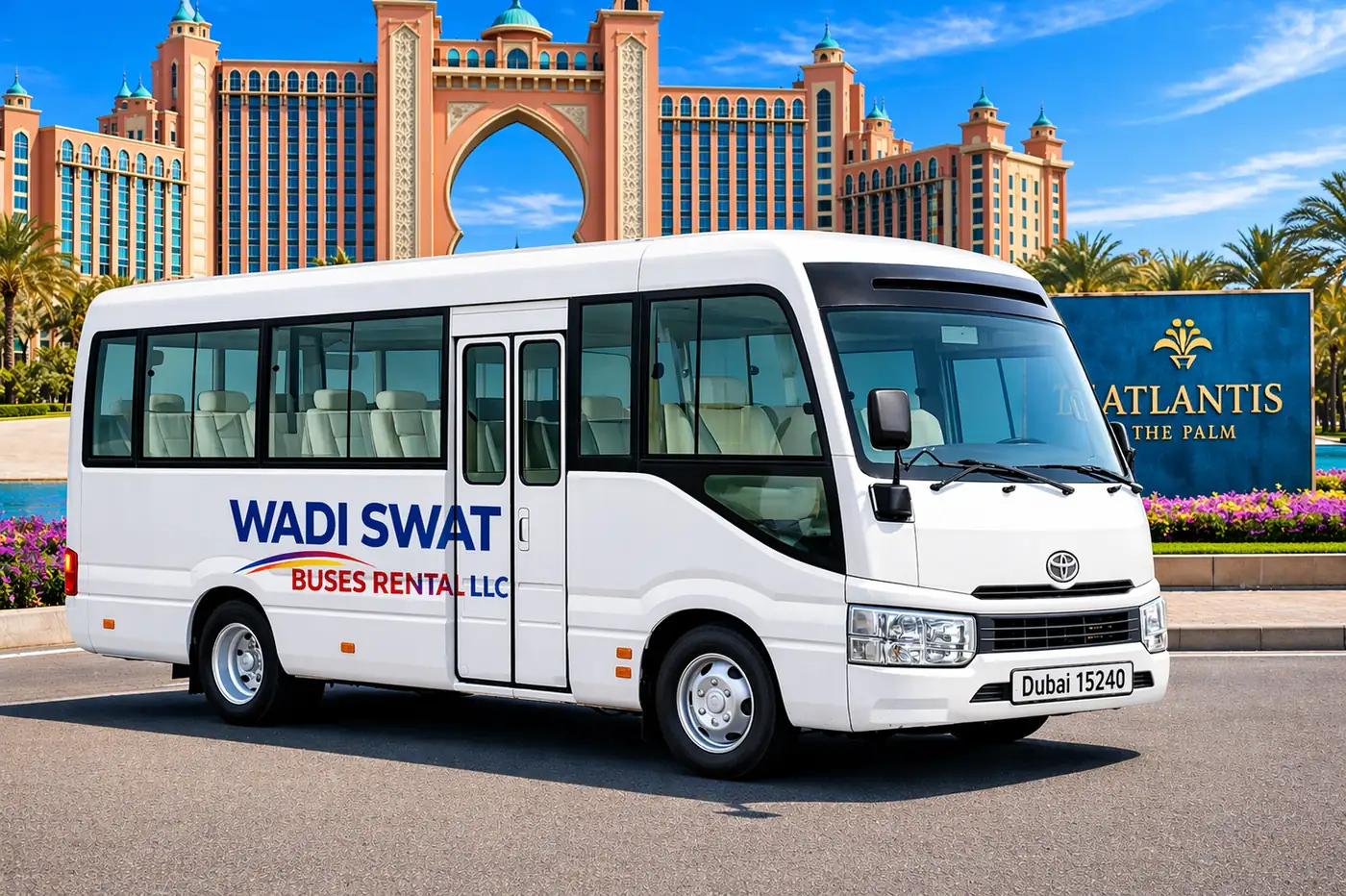
Commercial Transport Clarity for UAE Buyers
Customers in the UAE often compare transport providers quickly. They want to know whether the company understands their route, whether the response will be practical and whether the next step is easy. MR BUS answers those concerns through clear WhatsApp actions, useful service explanations, image support and route-first enquiry guidance.
The language stays direct and commercial: share the route, explain the timing, mention the passenger count and choose the service purpose if known. From there, the conversation becomes more useful for both individual passengers and company buyers.
What Customers Should Not Guess
Customers do not need to guess the exact vehicle, route category or final transport arrangement before contacting MR BUS. A clear enquiry is enough to start. The team can understand whether the movement is individual, family-based, company-led, ladies-focused, recurring or one-time and guide the customer from there.
This reduces wrong assumptions and avoids wasting time on a service direction that may not fit the real trip.
How MR BUS Reduces Repeated Questions
A clear first message saves time for the customer and for the transport team. Instead of sending only "Dubai to Sharjah" or "need staff bus," customers are guided to share the route, time, passenger count and service purpose in one complete message. That helps the team understand whether the enquiry is about a daily commute, a recurring monthly route, a ladies transport request, a staff movement plan or a passenger van requirement.
This is especially important in the UAE because a route may cross city traffic, business districts, industrial areas, residential communities or emirate borders. The same pickup city can have very different travel times depending on the exact starting point, destination and reporting hour.
Commercial Transport Support for Real Buyers
MR BUS pages are written for people who are ready to make a transport decision. A passenger may be trying to reach work on time every day. A family may need a comfortable vehicle for guests. A company buyer may be responsible for staff attendance, shift timing and operational continuity. Each buyer needs practical guidance, not broad claims.
The service conversation stays focused on what affects the journey: pickup reliability, drop-off timing, passenger count, route distance, vehicle suitability and communication. When these points are handled early, customers can compare options more confidently and move toward the correct quote or booking step.
Why UAE Route Timing Matters
Timing is one of the strongest factors in UAE transport planning. Morning office movement, school-area traffic, shift changes, industrial-zone reporting, airport corridors and inter-emirate travel can all change the practical transport direction. A route that looks simple on a map may need careful review when reporting time is fixed and passengers must arrive together.
MR BUS encourages customers to share both reporting time and return time. If there is flexibility, mention it. If the timing is fixed, mention that clearly. This helps the team understand whether the route should be reviewed as a shared commute, a monthly pickup and drop plan, a dedicated company route or a vehicle-specific enquiry.
A Better Experience for Mobile Visitors
Most transport enquiries start on mobile. A customer may be at home, in the office, at accommodation, or checking a route quickly between tasks. The design keeps WhatsApp actions visible, uses short decision cards, keeps the language direct and avoids showing call numbers that create too many direct calls. Customers can click a WhatsApp button, paste their route details and send a complete enquiry in writing.
This also helps MR BUS respond more accurately. A written route message is easier to review than a missed call or an incomplete voice enquiry. It gives both the customer and the transport team a clear reference point for route, time and passenger count.
How the Service Conversation Becomes Clear
The best transport conversations move from a broad need to a clear route. A customer may begin with "I need transport," but the useful answer starts when the trip is described properly. MR BUS encourages customers to explain the starting point, destination, passenger group, timing pressure and service duration. With that information, the enquiry becomes easier to understand and the next step becomes more practical.
This method also helps avoid mismatched expectations. A shared daily route, a private vehicle requirement, a company staff route and a ladies transport request may all use similar words, but the planning behind them is different. Clear communication at the start prevents confusion later.
What Makes a Transport Page Useful for Customers
Useful transport content should help visitors choose a service direction, prepare an enquiry, understand vehicle suitability, check service coverage or move toward a quote. MR BUS keeps the customer at the center by explaining the decision points in plain language. The customer should leave visitors knowing what to send, where to click and why route details matter.
The writing avoids heavy marketing claims because transport buyers need confidence, not slogans. Every section should make the next action easier: send the route, check the service, review fleet options, read standards, or request a quote with proper details.
How Customers Can Get the Best Response
The most useful enquiry is specific and organized. Customers should send all core details together rather than sending several short messages one by one. A strong message includes pickup point, drop-off point, arrival time, return time, number of passengers, service frequency and any special requirement such as ladies transport, company billing, visitor movement or luggage space.
If the enquiry is urgent, WhatsApp is the simplest starting point. If the enquiry is formal or company-based, a structured quote request gives the team a better view of the requirement. In both cases, the route details remain the foundation of a better response.
Transport Visuals That Support Better Decisions
Professional visuals help customers understand vehicle type, route environment and passenger movement before they send an enquiry. Each image supports the service conversation by showing transport context, route coordination or vehicle suitability in a clear way.
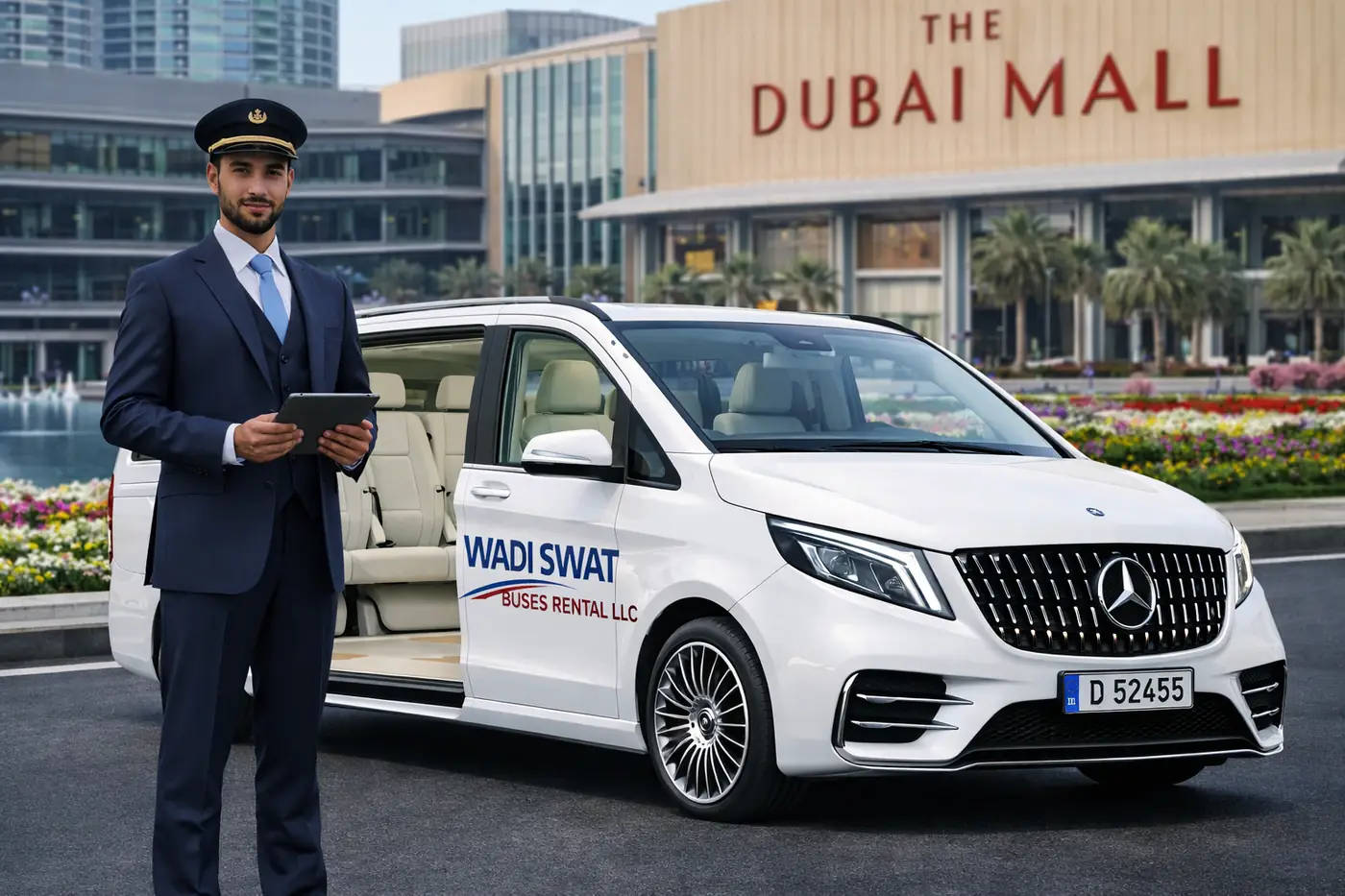
Fleet Choice Should Start With Passenger Count
The right vehicle is not always the largest vehicle. A single executive commute, a small group, a family transfer, a monthly passenger route and a staff transport requirement all need different thinking. Passenger count, luggage, timing and route distance should guide the vehicle direction before a quote or booking conversation continues.
MR BUS uses the fleet overview to help customers understand the difference between cars, passenger vans, minibuses and staff vehicles. The final choice should still be reviewed with route details because availability and suitability can change by date, timing and service purpose.
Cars, Vans, Minibuses and Staff Vehicles
Cars may suit individual movement, executive transport direction or smaller commute needs. Passenger vans can suit families, small groups, shared commute enquiries and flexible pickup and drop requirements. Minibuses and larger vehicles may suit company staff routes, groups or higher passenger counts.
Customers who know they need recurring movement can also review monthly pick and drop. Companies with employees or shift routes should read staff transport before submitting route details.
Why Vehicle Suitability Matters in UAE Routes
Dubai, Sharjah, Ajman and Abu Dhabi routes can be affected by traffic, pickup clustering, building access, parking conditions, luggage needs and reporting time. A vehicle that looks suitable in an image may not be the best direction for every route. That is why the fleet content should educate the customer instead of acting only as a catalogue.
A better enquiry includes the number of passengers, route, timing and service duration. With that information, MR BUS can guide the customer toward the right vehicle direction more responsibly.
Fleet Images and Real Booking Decisions
Fleet images help customers understand the range of options, but they should not replace route review. The images support confidence, while the quote and contact pages collect the operational details. This creates a cleaner journey from visual browsing to practical transport discussion.
Customers who want to move from browsing to action can use the quote button or WhatsApp route buttons. The message should include pickup, drop-off, timing and passenger count so the fleet discussion starts with real information.
How Customers Can Narrow the Vehicle Direction
Customers can start by asking three questions: how many passengers are travelling, how long is the route and how regularly is the service needed? A short movement for one person is very different from a daily staff route, even if both are transport enquiries.
MR BUS uses those details to guide the discussion toward a car, van, minibus, staff bus or another suitable direction. The fleet page helps the customer understand the options before sending the final route details.
Why Fleet Availability Should Be Confirmed Before Booking
Vehicle availability can depend on date, time, route, service duration and passenger count. A page can explain options, but it should not create a false promise that a specific vehicle is available for every route and every timing.
The right process is to review the fleet direction, send route details, then discuss availability and quote direction. This creates a more honest customer journey and a stronger transport buying experience.
Ready to Discuss Your Route With MR BUS
The best next step is to send a clear route message instead of a vague request. Include pickup area, destination, timing, passenger count, service frequency and any special requirement such as ladies transport, company billing, luggage or multiple pickup points. These details help the MR BUS team understand the enquiry from the first conversation.
Customers who are still comparing options can move through the site journey naturally. Service pages explain the transport category, the fleet overview helps with vehicle direction, service areas help with coverage questions and the quote path collects detailed information. When the enquiry is ready, the WhatsApp buttons allow the customer to send the route without showing direct phone numbers publicly.
This customer-first journey keeps the content helpful, the internal links useful and the transport conversation practical for Dubai, Sharjah, Ajman, Abu Dhabi and wider UAE movement.
What Customers Should Expect Before Final Confirmation
Before any transport arrangement is treated as final, the route and timing should be clear enough for practical review. A customer may know the destination, but the pickup location, reporting time, passenger count and return requirement can change the correct service direction. Sharing these details early gives MR BUS a stronger basis for guidance.
This is especially important for recurring UAE routes where the same movement repeats daily or monthly. A small misunderstanding in pickup location or timing can create ongoing inconvenience. Clear enquiry details help the customer receive a more realistic answer and help the transport team guide the request toward quote, booking, fleet or service-area review.
Frequently Asked Questions
These questions answer common customer concerns before sending a route enquiry, opening WhatsApp or requesting a quote from MR BUS.
1. What should I know about our fleet?
Our Fleet is designed to help customers make a clearer transport decision before sending an enquiry. The most important details are pickup area, drop-off area, timing, passenger count and service purpose.
2. Can I use WhatsApp for this enquiry?
Yes. WhatsApp is the fastest way to start because you can send route details in writing. The buttons work by click and the numbers are not displayed as visible call text.
3. What information should I send first?
Send pickup point, drop-off point, reporting time, return time, passenger count, start date and whether the need is daily, monthly, one-time, ladies-focused, family-based or company-led.
4. Can this help companies as well as individuals?
Yes. Individual passengers, families and companies can all use MR BUS support. Companies should add staff count, shift timing, pickup clusters and contract duration to make the enquiry clearer.
5. Does MR BUS confirm availability immediately?
Availability and vehicle direction should be reviewed after route details are shared. This keeps communication realistic and avoids unsupported promises before the requirement is understood.
6. Can I ask about Dubai, Sharjah, Ajman and Abu Dhabi routes?
Yes. MR BUS can review enquiries connected to Dubai, Sharjah, Ajman, Abu Dhabi and nearby corridors. Exact route, timing and passenger count remain important.
7. What if I do not know the correct service name?
Describe the movement instead of guessing. Say who is travelling, where they start, where they need to go, when they need to arrive and how often the service is needed.
8. Can I request ladies transport support?
Yes. Mention the ladies transport requirement clearly along with route, timing and service duration so the enquiry can be handled professionally.
9. Can I ask for a vehicle recommendation?
Yes. Share passenger count, luggage, route length and comfort expectations. MR BUS can then guide the enquiry toward a car, van, minibus or staff vehicle direction.
10. What is the best next step?
Send your route details through the WhatsApp button or use the quote page. The clearer your first message, the more useful the first response can be.
Send Your Our Fleet Enquiry to MR BUS
Share the pickup area, drop-off area, timing, passenger count and service purpose. MR BUS can then guide you toward the right quote, booking or service direction.